
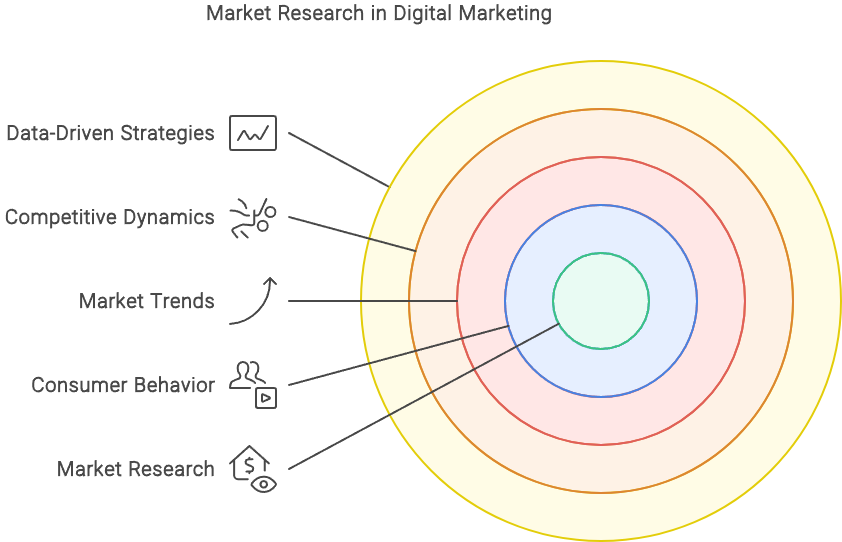
Market research is a critical component of any successful digital marketing strategy. It provides valuable insights into consumer behavior, market trends, and competitive dynamics, enabling businesses to make informed decisions and tailor their marketing efforts effectively. This document outlines the best practices for conducting market research in the realm of digital marketing, ensuring that your strategies are data-driven and aligned with your target audience's needs and preferences.
1. Define Clear Objectives
Before embarking on market research, it is essential to establish clear objectives. Determine what you aim to achieve with your research, whether it's understanding customer preferences, identifying market trends, or evaluating the competitive landscape. Clear objectives will guide your research process and ensure that you collect relevant data.

2. Identify Your Target Audience
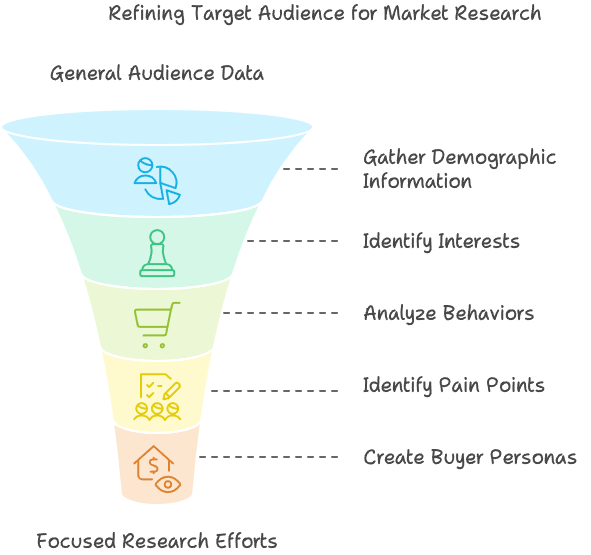
Understanding your target audience is crucial for effective market research. Create detailed buyer personas that represent your ideal customers, including demographic information, interests, behaviors, and pain points. This will help you focus your research efforts on the right group of people and gather meaningful insights.
3. Use a Mix of Qualitative and Quantitative Methods
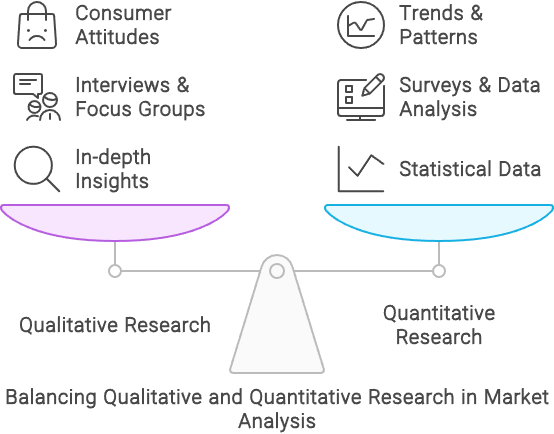
A comprehensive market research approach should include both qualitative and quantitative methods. Qualitative research, such as interviews and focus groups, provides in-depth insights into consumer attitudes and motivations. Quantitative research, such as surveys and data analysis, offers statistical data that can be used to identify trends and patterns.
4. Leverage Digital Tools and Analytics
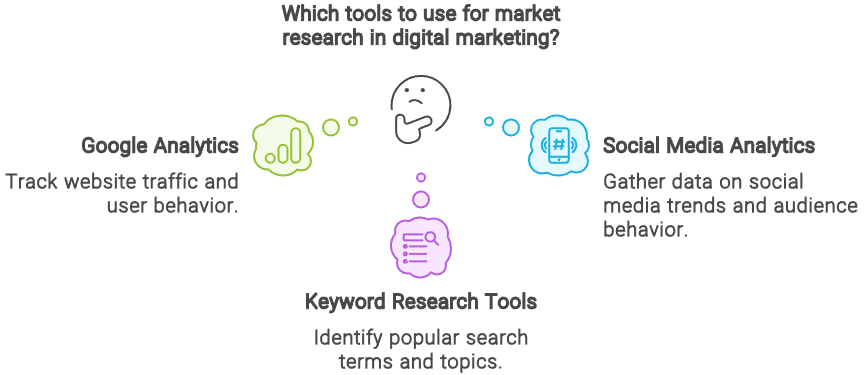
Digital tools and analytics platforms are invaluable for market research in digital marketing. Utilize tools like Google Analytics, social media analytics, and keyword research tools to gather data on website traffic, user behavior, and online trends. These tools can provide real-time insights and help you make data-driven decisions.
5. Monitor Competitors
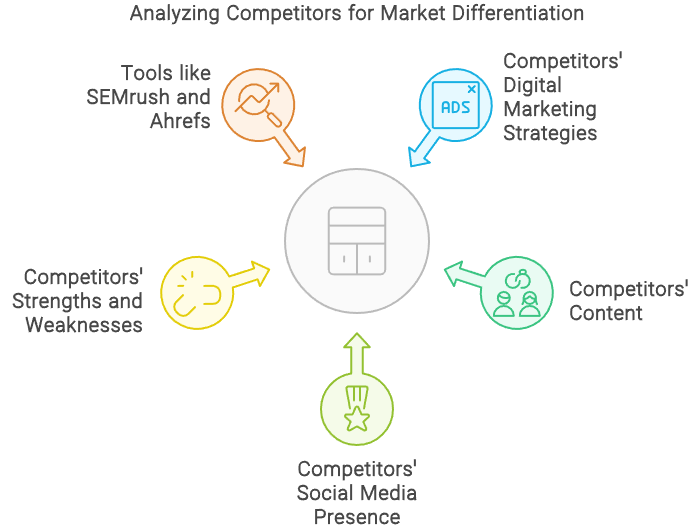
Keeping an eye on your competitors is essential for understanding the market landscape. Analyze their digital marketing strategies, content, and social media presence. Identify their strengths and weaknesses, and look for opportunities to differentiate your brand. Tools like SEMrush and Ahrefs can help you track competitor activities and performance.
6. Conduct Social Listening
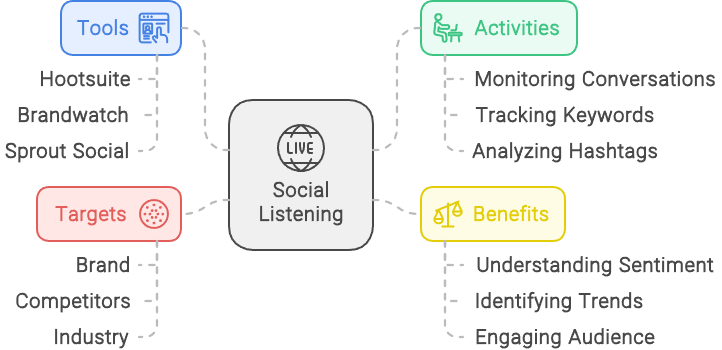
Social listening involves monitoring online conversations and mentions of your brand, competitors, and industry. Use social listening tools like Hootsuite, Brandwatch, or Sprout Social to track relevant keywords and hashtags. This will help you understand public sentiment, identify emerging trends, and engage with your audience more effectively.
7. Analyze Customer Feedback
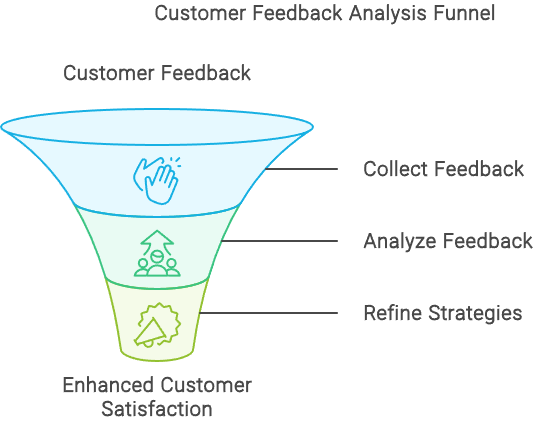
Customer feedback is a goldmine of information for market research. Collect feedback through surveys, reviews, and social media interactions. Analyze this feedback to identify common themes, pain points, and areas for improvement. This will help you refine your digital marketing strategies and enhance customer satisfaction.
8. Stay Updated with Industry Trends
The digital marketing landscape is constantly evolving, with new trends and technologies emerging regularly. Stay updated with industry news, blogs, and reports to keep abreast of the latest developments. Participate in webinars, conferences, and online forums to gain insights from industry experts and peers.Updated with industry trends

9. Test and Iterate
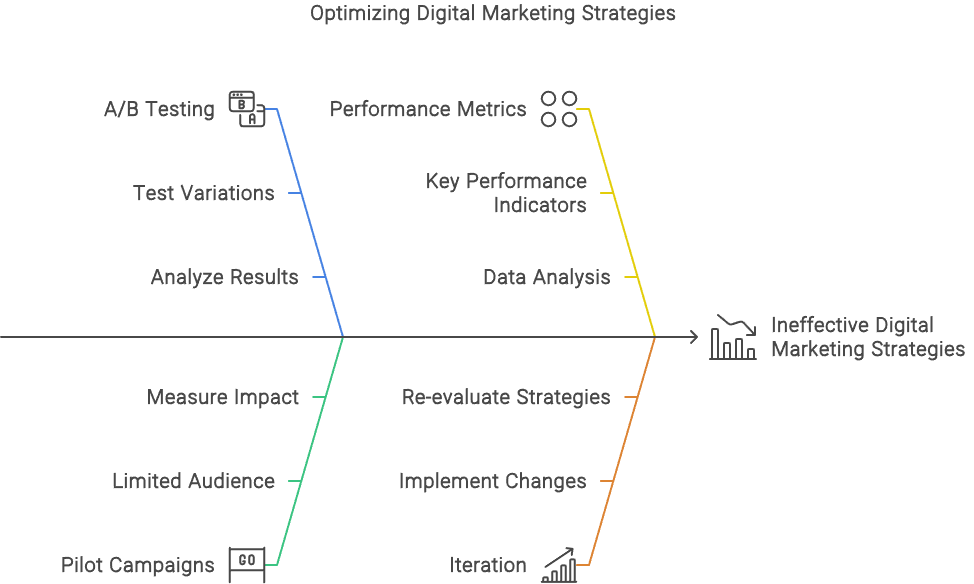
Market research is not a one-time activity; it should be an ongoing process. Continuously test your digital marketing strategies and measure their effectiveness. Use A/B testing, pilot campaigns, and performance metrics to evaluate what works and what doesn't. Iterate based on your findings to optimize your marketing efforts.
10. Ensure Data Privacy and Compliance
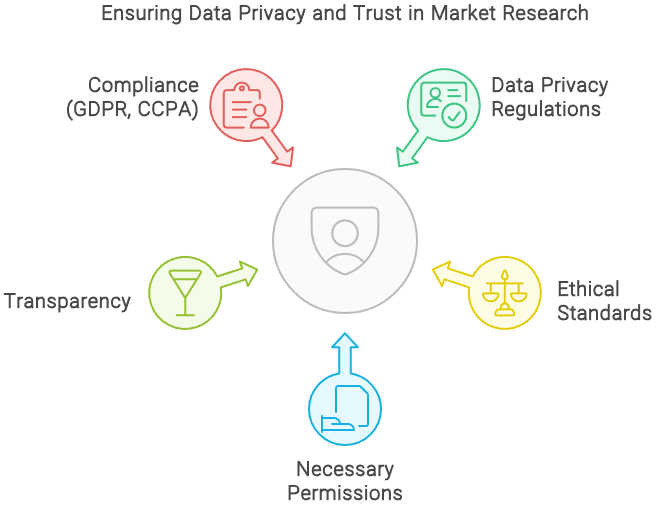
When conducting market research, it is essential to adhere to data privacy regulations and ethical standards. Ensure that you have the necessary permissions to collect and use data, and be transparent with your audience about how their information will be used. Comply with regulations such as GDPR and CCPA to protect consumer privacy and build trust.
Conclusion
Effective market research is the foundation of a successful digital marketing strategy. By following these best practices, you can gather valuable insights, make informed decisions, and create marketing campaigns that resonate with your target audience. Stay proactive, leverage digital tools, and continuously refine your approach to stay ahead in the competitive digital landscape.
